
 Reviews
 Can an Old Whiplash Injury or Concussion Still Affect You Years Later?
If you have ever said, “I was never quite the same after that accident,” you are not alone.
Many people assume that if an injury happened years ago, it cannot still be affecting them today. But that is not always true. Old whiplash injuries, concussions, falls, and sports trauma can leave behind lingering patterns that continue to affect the neck, posture, balance, and nervous system long after the original event. Research reviews on both whiplash-associated disorders and mild traumatic brain injury show that a subset of patients do go on to have persistent symptoms rather than a clean, complete recovery.
At Koru Chiropractic in Louisville, Colorado, this is something we hear often. A patient may tell us that the crash, fall, or concussion happened years ago, but they still deal with headaches, neck tension, dizziness, brain fog, poor sleep, or the feeling that their body has never fully settled back to normal.
Why Old Injuries Can Still Matter
Time passing is not always the same thing as healing.
The body is incredibly good at adapting. That can be helpful in the short term, but compensation is not always the same thing as restoration. In chronic whiplash-associated disorders, the literature describes ongoing pain, disability, and altered sensory or motor patterns in some patients, which helps explain why symptoms can persist long after the initial trauma.
In plain English, your body may have found a way to function after the injury without ever truly returning to its old baseline.
That can leave people with ongoing issues such as:
- headaches
- neck pain or stiffness
- dizziness or unsteadiness
- brain fog
- visual strain
- poor sleep
- tension through the shoulders and upper back
- the feeling that they “just don’t feel like themselves.”
Whiplash Is Not Always “Just a Neck Strain”
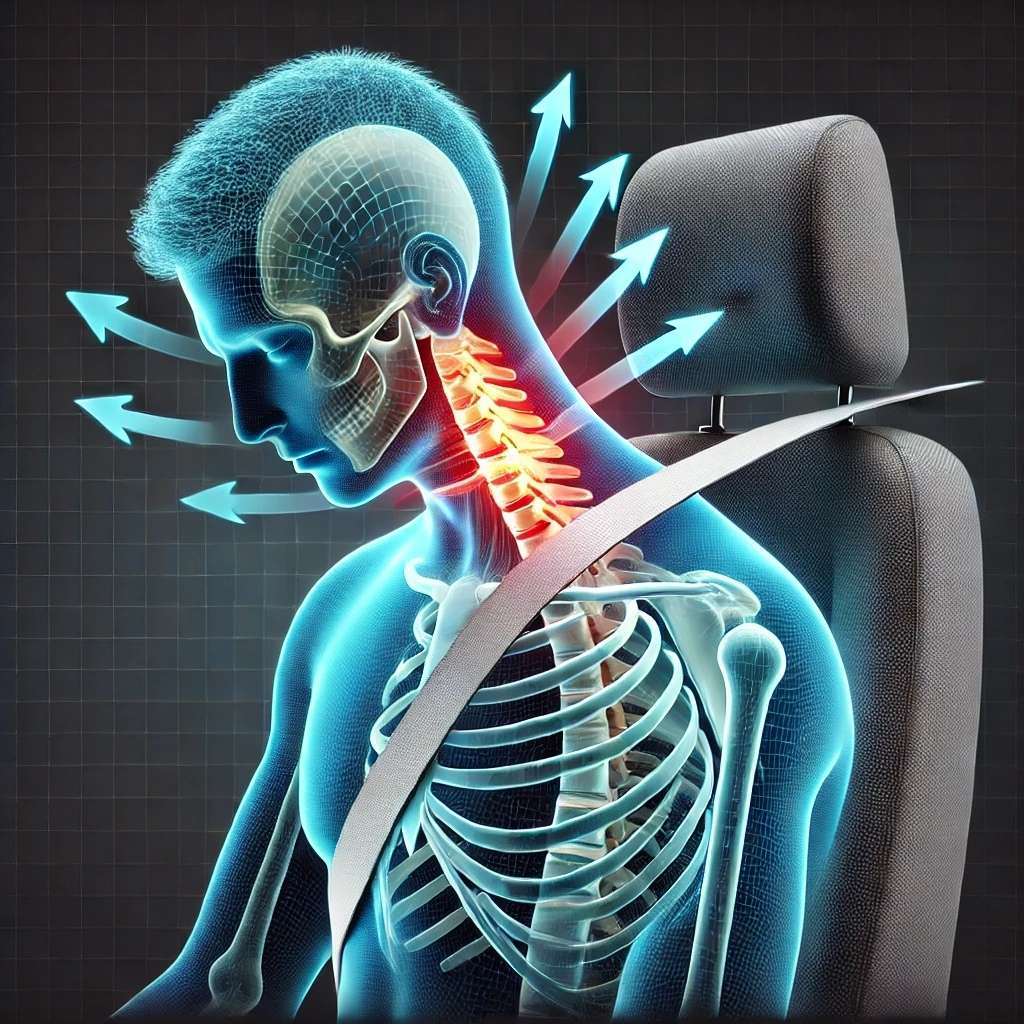
Whiplash-associated disorders can involve more than short-term soreness.
PubMed-indexed reviews describe whiplash as a multifactorial condition that can include pain, disability, altered nociceptive processing, psychological factors, and sensorimotor changes. Other reviews specifically discuss dizziness, unsteadiness, visual disturbances, and postural control problems as part of the transition from acute to chronic symptoms after whiplash trauma.
That does not mean every person with whiplash will have long-term problems. But it does mean that when someone says they have never quite felt the same since a car accident or neck injury, that concern should be taken seriously.
Concussions and Mild Traumatic Brain Injuries Can Have Lasting Effects
The same is true for concussions and mild traumatic brain injuries.
Most people improve, but not everyone recovers on the same timeline. Systematic reviews indexed in PubMed report that a meaningful minority of adults experience persistent post-concussion symptoms, and meta-analytic data show ongoing symptom and disability burden in some patients after mild traumatic brain injury.
Those lingering symptoms may include:
- headaches
- dizziness
- poor concentration
- fatigue
- sleep disruption
- sensitivity to movement or visual input
- neck pain
- difficulty tolerating screens or busy environments
In some people, the neck and upper cervical region may be part of the picture along with the concussion history itself, which is one reason a broader structural and neurological evaluation can matter.
Why the Upper Neck Often Gets Overlooked
One of the most overlooked areas after trauma is the upper neck.
The upper cervical spine plays an important role in head position, posture, movement, and the way the body integrates balance and spatial information. Reviews on cervicogenic dizziness note that dizziness associated with neck dysfunction is clinically recognized, although it can be challenging to diagnose and is typically considered after excluding other likely causes.
That matters because many people with old whiplash injuries, falls, or concussions still report:
- neck tightness
- movement sensitivity
- unsteadiness
- headaches that begin at the base of the skull
- a sense that posture and stress make everything worse
This does not mean every lingering symptom comes from the neck. It does mean the neck should not be ignored, especially in people whose symptoms began after trauma.
Why Symptoms Can Show Up Later
Not everyone has dramatic symptoms right away. Sometimes the body compensates well enough at first that the person pushes through. Later, as stress builds, sleep worsens, posture declines, or work demands increase, symptoms become harder to ignore.
This is one reason people often disconnect the current symptom picture from an older injury. They think the two cannot be related because too much time has passed. But long-term symptom persistence after whiplash or concussion is well described in the literature, even if the exact mechanisms vary from patient to patient.
When a More Complete Evaluation Makes Sense
You may benefit from a more specific evaluation if:
- You were never quite the same after an accident, fall, or concussion
- You still get headaches or dizziness years later
- You have chronic neck tension that started after trauma
- You feel stuck despite trying other approaches
- You want to understand whether an old injury is still influencing your current symptoms
At Koru Chiropractic in Louisville, Colorado, our goal is not to oversimplify complex cases. It is to look carefully at your history, symptoms, examination findings, and structural patterns to determine whether there is a meaningful connection worth addressing.
FAQ: Old Injuries, Whiplash, and Concussions
They can persist or become more noticeable over time in some people, especially if the body adapts around the injury rather than fully restoring normal function. Chronic whiplash-associated symptoms are described in the medical literature
Yes, a subset of people experience persistent post-concussion symptoms that can last for months or longer, and some studies track long-term symptom and disability burden after mild traumatic brain injury
Headaches after old trauma may be related to lingering neck dysfunction, compensation patterns, post-traumatic symptom persistence, or a combination of factors. A careful clinical evaluation is needed to sort out what is most relevant in your case.
They can. Reviews discuss dizziness, unsteadiness, visual symptoms, and postural control issues after whiplash and concussion, though these symptoms can have multiple causes and should be evaluated carefully.
The entire cervical spine matters, but the upper neck is often especially important because of its role in head position, movement, and sensorimotor input related to balance and posture
That depends on the patient, the timing, and the clinical findings. A cautious, individualized evaluation matters, especially in patients with persistent symptoms or complex trauma histories. The literature supports nonpharmacologic, individualized management for persistent post-concussion symptoms rather than one-size-fits-all care.
If you still have headaches, dizziness, neck tension, brain fog, or feel like you never fully recovered, it is reasonable to seek a more complete evaluation rather than assuming it will resolve on its own.
If you are looking for a more specific structural and neurological evaluation in Louisville, Colorado, Koru Chiropractic may be a good place to start.
The Bottom Line
Old injuries do not always stay in the past.
For some people, whiplash, concussions, and other trauma can leave behind long-term patterns that continue to affect how they feel, move, and function. PubMed-indexed research supports that persistent symptoms after both whiplash and mild traumatic brain injury are real for a subset of patients, and the neck can be an important piece of that clinical picture in some cases.
If you have been saying, “I was never quite the same after that,” it may be worth paying attention to that instinct. You may not need more guesswork. You may need a more specific evaluation.
At Koru Chiropractic, we help patients in Louisville, Colorado, take a closer look at whether unresolved structural and neurological stress may still be part of the story.
References
- Sterner Y, Gerdle B. Acute and chronic whiplash disorders—a review. J Rehabil Med. 2004. PubMed.
- Bellosta-López P, et al. A Systematic Review and Meta-Analyses-Based Data Synthesis of Psychological Factors and Quantitative Sensory Testing in Acute and Chronic Whiplash-Associated Disorders. 2024. PubMed.
- Chen J, et al. Differences in the clinical presentation of chronic whiplash-associated disorders and nontraumatic neck pain: a systematic review. 2025. PubMed.
- Treleaven J. Dizziness, unsteadiness, visual disturbances, and postural control: implications for the transition to chronic symptoms after a whiplash trauma. Spine. 2011. PubMed.
- Kristjansson E, Treleaven J. Sensorimotor function and dizziness in neck pain: implications for assessment and management. J Orthop Sports Phys Ther. 2009. PubMed.
- McIntosh SJ, et al. Risk factors for persisting symptoms after adult mild traumatic brain injury: a systematic review and meta-analysis. 2025. PubMed.
- Cancelliere C, et al. Post-Concussion Symptoms and Disability in Adults With Mild Traumatic Brain Injury: A Systematic Review and Meta-Analysis. 2023. PubMed.
- Rytter HM, et al. Nonpharmacological Treatment of Persistent Postconcussion Symptoms in Adults: A Systematic Review and Meta-analysis and Guideline Recommendation. JAMA Netw Open. 2021. PubMed.
- Reiley AS, et al. How to diagnose cervicogenic dizziness. Arch Physiother. 2017. PubMed.
- Knapstad MK, et al. Clinical characteristics in patients with cervicogenic dizziness: A systematic review. 2019. PubMed.
- Magnusson M, Malmström EM. The conundrum of cervicogenic dizziness. Handb Clin Neurol. 2016. PubMed.
- Li Y, et al. Proprioceptive Cervicogenic Dizziness: A Narrative Review of Pathogenesis, Diagnosis, and Treatment. 2022. PubMed.